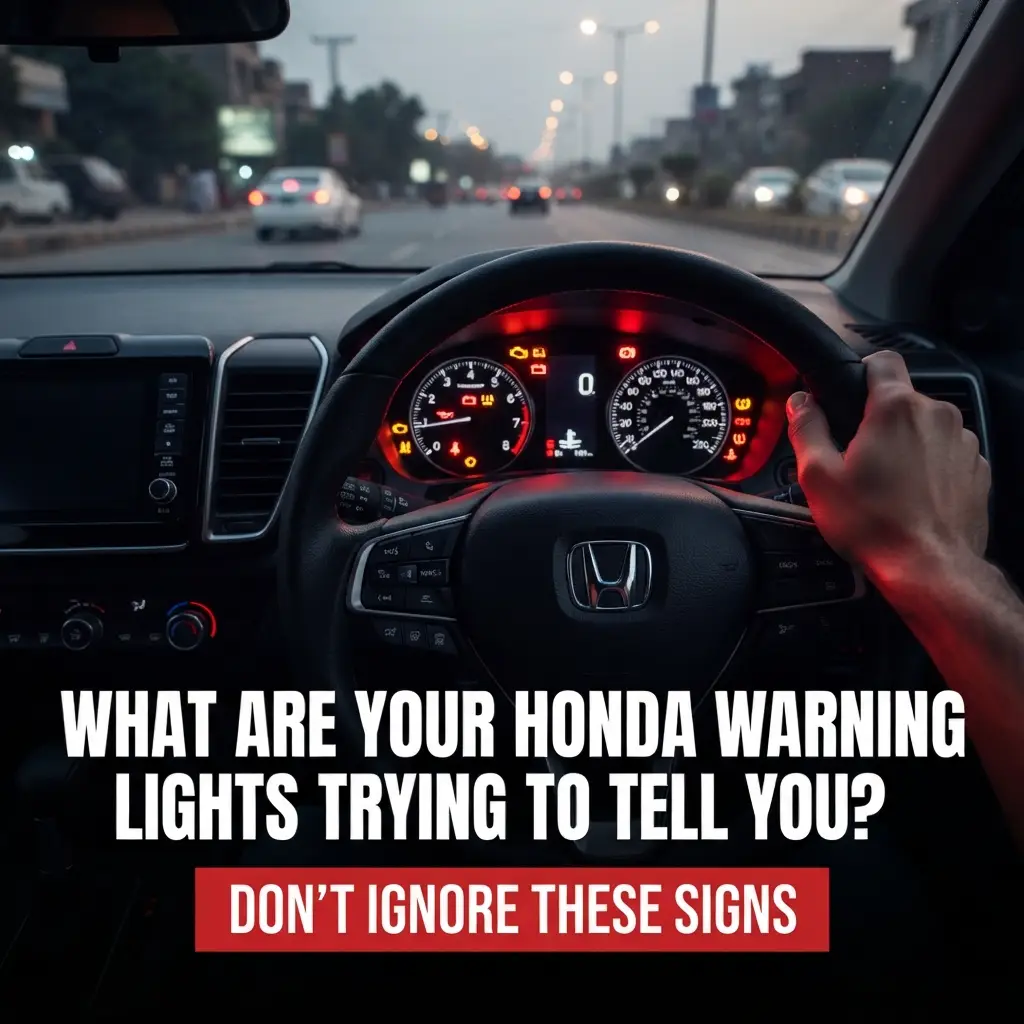
That little light blinking on your dashboard is easy to ignore—especially when the car still feels fine. But your Honda dashboard isn’t just showing symbols. It’s talking to you. And in many cases, it’s warning you long before a real problem turns into a breakdown.
Understanding these warning lights can save you time, money, and a lot of stress.
Why Dashboard Warning Lights Matter More Than You Think?
Modern Honda cars are controlled by multiple electronic systems and sensors. When something goes wrong, your car can’t speak—but it can alert you through warning lights.
Ignoring these signals often leads to:
- Major engine or system failures
- Expensive repairs
- Reduced safety
- Lower resale value
Let’s decode what these lights really mean.
Check Engine Light (CEL)
What it means:
This is one of the most misunderstood lights. It can indicate anything from a loose fuel cap to serious engine or emission problems.
Common causes:
- Faulty sensors
- Misfiring engine
- Fuel system issues
- Emission system faults
What to do:
If it’s steady, get diagnostics soon.
If it’s flashing, stop driving and seek professional inspection immediately.
Oil Pressure Warning Light
What it means:
Your engine is not getting enough oil pressure. This is serious.
Common causes:
- Low engine oil level
- Oil pump failure
- Blocked oil filter
What to do:
Stop the car immediately. Driving without oil pressure can destroy the engine within minutes.
Battery Warning Light
What it means:
Your charging system isn’t working properly.
Common causes:
- Faulty battery
- Alternator failure
- Loose or damaged wiring
What to do:
Get the battery and charging system checked. Ignoring this can leave you stranded on the road.
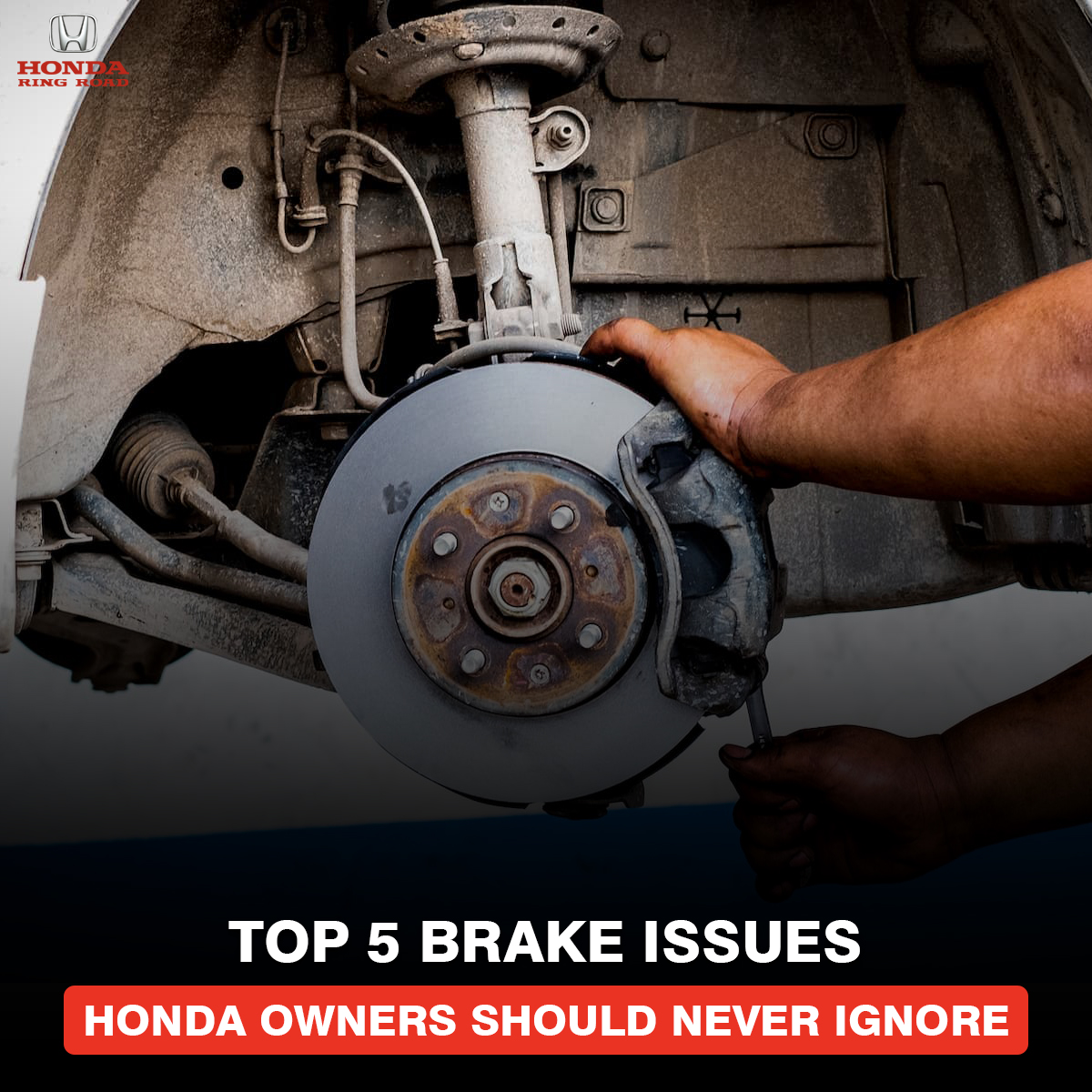
Brake System Warning Light
What it means:
There’s an issue with the braking system.
Common causes:
- Low brake fluid
- Worn brake pads
- ABS system malfunction
What to do:
Brake issues affect safety directly. Get the brakes inspected as soon as possible.
ABS Warning Light
What it means:
The Anti-lock Braking System isn’t functioning properly. Your brakes may still work, but without ABS support.
Common causes:
- Faulty wheel sensors
- Electrical issues
- ABS module problems
What to do:
Drive carefully and schedule a diagnostic check. ABS is crucial for safe braking on slippery roads.
Engine Temperature Warning Light
What it means:
Your engine is overheating.
Common causes:
- Coolant leaks
- Faulty thermostat
- Radiator or water pump issues
What to do:
Stop the car, let it cool down, and check coolant levels. Repeated overheating can cause engine failure.
Tire Pressure Warning Light (TPMS)
What it means:
One or more tires have low air pressure.
Common causes:
- Puncture
- Air leakage
- Temperature changes
What to do:
Check tire pressure and inflate as needed. Driving with low pressure reduces fuel efficiency and tire life.
Airbag Warning Light
What it means:
There’s a problem with the airbag or safety restraint system.
Common causes:
Sensor malfunction
Wiring issues
Airbag module problems
What to do:
Get it checked immediately. In an accident, airbags may not deploy correctly.
Traction Control / Stability Control Light
What it means:
The system that prevents skidding or loss of control is turned off or malfunctioning.
Common causes:
Sensor issues
System disabled manually
Electrical faults
What to do:
If it stays on, have the system checked, especially if you drive in rain or slippery conditions.
Why Ignoring Warning Lights Is Risky?
Many Honda owners continue driving with warning lights on because the car still feels fine. But these lights often indicate early-stage problems.
Ignoring them can lead to:
- Engine damage
- Brake failure
- Electrical breakdowns
- High repair bills
- Early diagnostics usually cost far less than major repairs.
Why Professional Diagnostics Matter?
Warning lights only tell you something is wrong—not exactly what.
Proper Honda diagnostic tools can pinpoint the issue in minutes.
At Honda Ring Road Lahore, technicians use Honda-approved diagnostic systems to:
- Read fault codes accurately
- Identify root causes
- Recommend the right repairs
- Prevent unnecessary part replacements
- This saves time, money, and guesswork.
What You Should Do When a Warning Light Appears?
- Don’t panic, but don’t ignore it
- Check basic things like oil, coolant, and tire pressure
- Avoid long drives if the light is critical
- Book a professional inspection at an authorized Honda service center
Final Thoughts:
Your Honda dashboard is designed to protect your car and your safety. Those warning lights are not suggestions—they are early warnings.
Listening to them early can prevent breakdowns, expensive repairs, and safety risks.
If you want accurate diagnostics and genuine solutions, visiting an authorized 3S facility like Honda Ring Road Lahore is the smartest move for long-term Honda ownership.